Automation unit for agricultural machinery

INNESTO Autonomy Unit

A smart integration that makes the most of the machine's existing mechanics, with no need to redesign it.

The market demands autonomous solutions to overcome the shortage of skilled labour, but designing them from scratch slows development down with often prohibitive engineering costs and lead times.

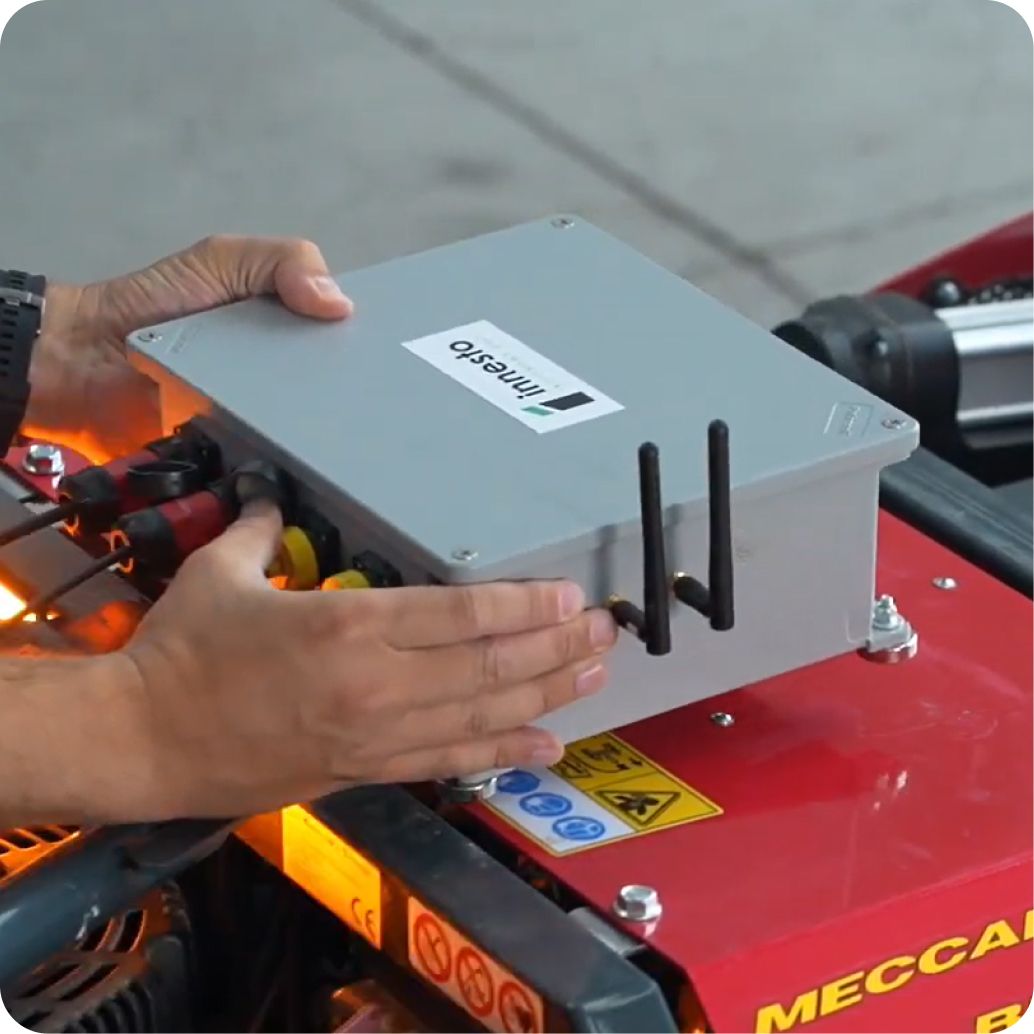
INNESTO Autonomy Unit being installed on an agricultural machine

Why innesto?

In agriculture, grafting (innesto in Italian) is an ancient, skilful practice: the original plant is not destroyed; instead, a noble scion is joined to a strong trunk to bear extraordinary fruit.

The benefits for the manufacturer

Plug and play approach

Shorter time-to-market

Specialised technical support

Innovative high-performance technology

Features

Navigation

  • Dynamic generation and editing of complex routes (e.g. row crops with narrow headlands)
  • Precision approach (micro-positioning)
  • Autonomous return to base and resumption of tasks

Safety

  • Obstacle detection and automatic stop
  • Definition of virtual fences
  • Definition of exclusion zones and reduced-speed zones

Mission Control

  • Customisable web interface for task assignment
  • Remote vehicle control
  • Implement control
  • Management of external devices (e.g. gates, silos)

The system can integrate custom control logic to meet specific application requirements.

Components

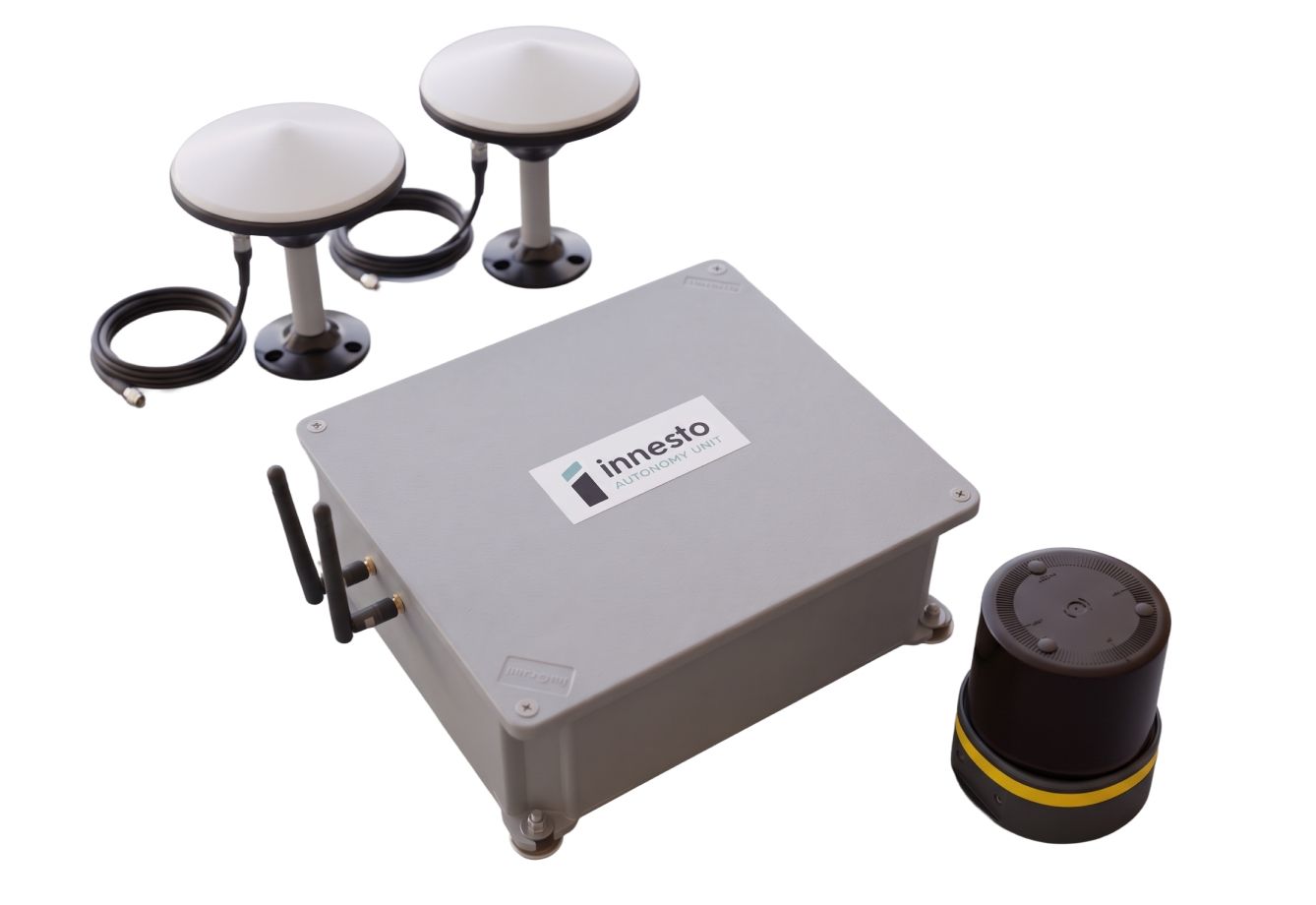
  • Computing unit
  • IMU sensor
  • Industrial connections (CAN, RS232 and IO ports)
  • 4G antenna
  • WiFi/BT antenna
  • Dual-antenna GNSS receiver
  • Lidar

The list refers to the full kit configuration. The system is fully modular and is sized, in both functions and components, to the manufacturer's actual needs.

INNESTO kit components: control unit, GNSS antennas and Lidar

Safety and certifications

innesto is designed to make the vehicle autonomous and ease its certification in strict compliance with the new Machinery Regulation.

Alongside the manufacturer

aitronik supports every OEM customer through the validation process with highly specialised technical partners, providing the risk assessment and the complete system documentation to ensure and simplify the machine's final certification.

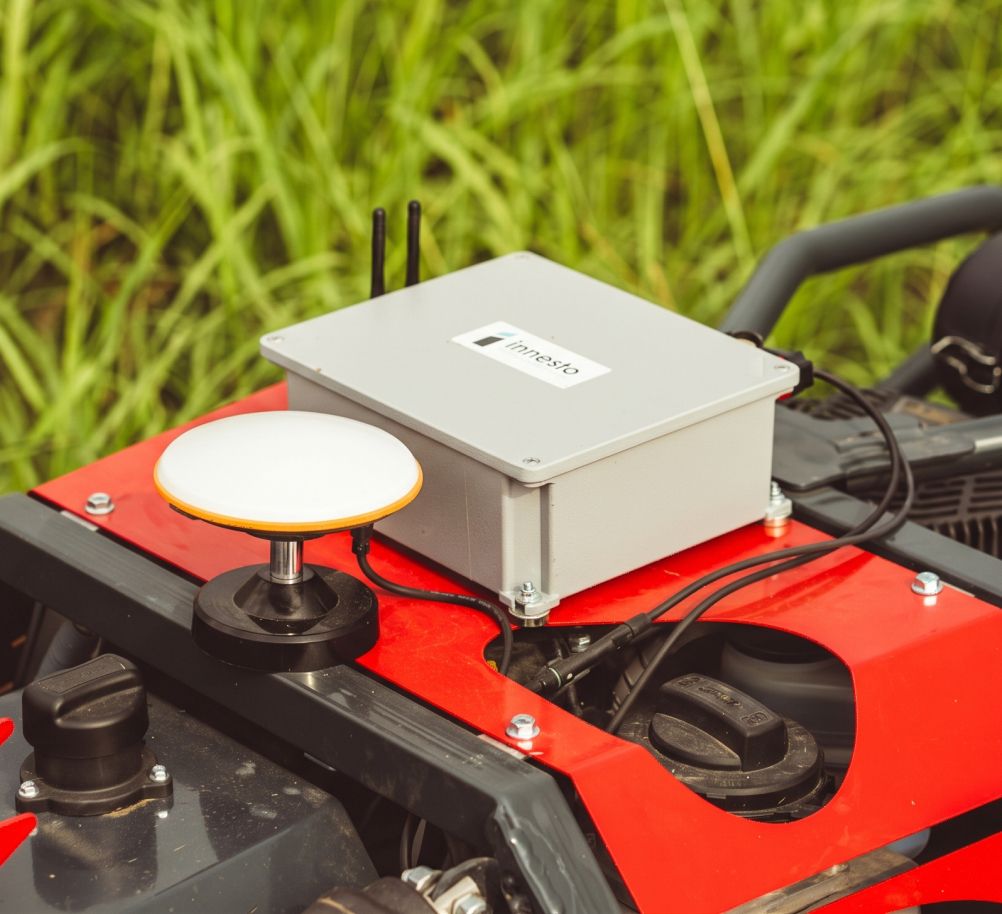
INNESTO unit installed on board a machine

3 steps to autonomy

  1. 01

    Architecture analysis

    Electronic mapping of the vehicle and definition of the safety requirements for a tailor-made integration.

  2. 02

    Setup and implementation

    On-board hardware installation and configuration of communication protocols and safety logic.

  3. 03

    Field testing and prototype

    Final interfacing and system validation through operational testing, with delivery of “machine number zero”.

Integration and support

The implementation path is designed to transfer technological know-how to the OEM, providing engineering support from the first prototype phase all the way to series production.

Prototype phase

“Machine zero” setup

Hands-on technical support to integrate the system on the first vehicle. The goal is to validate the hardware and software architecture so that the manufacturer can replicate the installation in series, fully independently.

Ongoing support and validation

Continuous technical support and structured feedback management throughout testing, field deployment and post-integration.

Delivery times

After the initial setup phase (about 3 months to validate “machine zero”), innesto kits for series production are available within 2 weeks of ordering.

Series production

Applications and partners

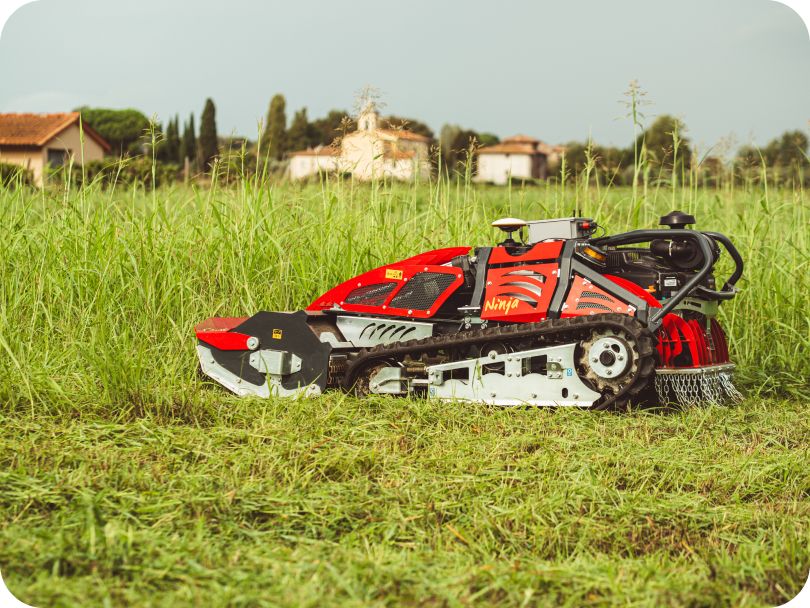
Ninja tracked flail mower by Meccanica BenassiMeccanica Benassi

Ninja is a professional tracked flail mower equipped with innesto. It is designed to operate safely in semi-autonomous mode on difficult terrain and extreme slopes.

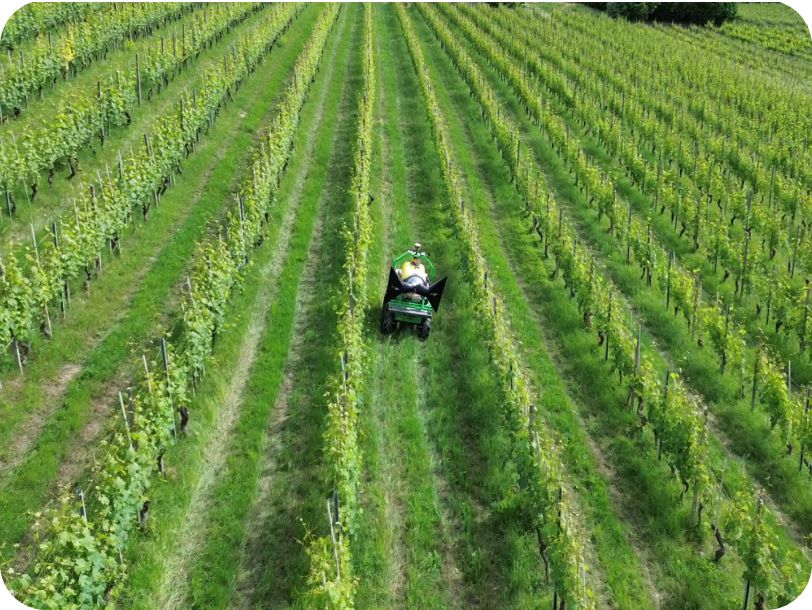
ASNOT ground drone by BCM in a vineyardBCM

ASNOT is an electric ground drone designed to operate safely in steep “heroic” vineyards with loads of up to 600 kg. Thanks to innesto, ASNOT works autonomously, optimising time and cutting costs.
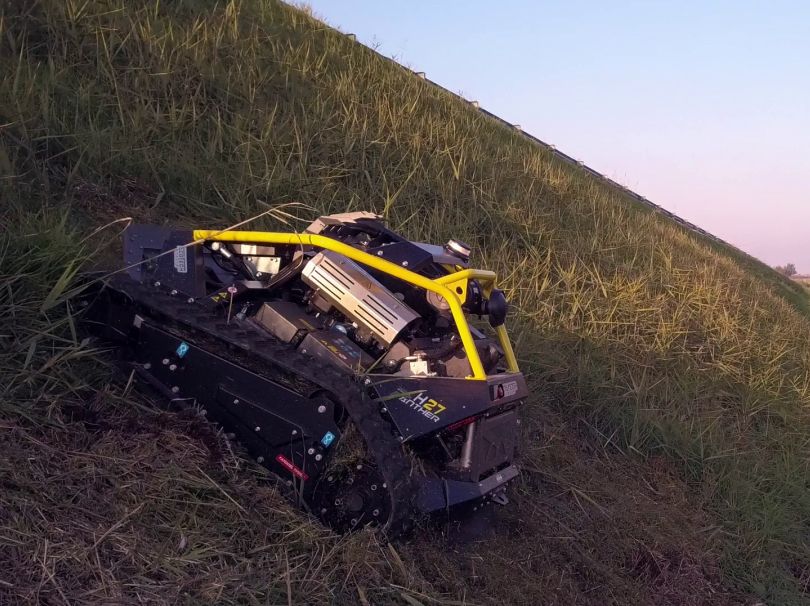
H27 Panther tracked machine by Ecotech ItaliaEcotech Italia

H27 PANTHER is a powerful tracked mowing machine. Its anti-derailment track system ensures reliability even on the most difficult terrain. Available in semi-autonomous mode thanks to innesto.
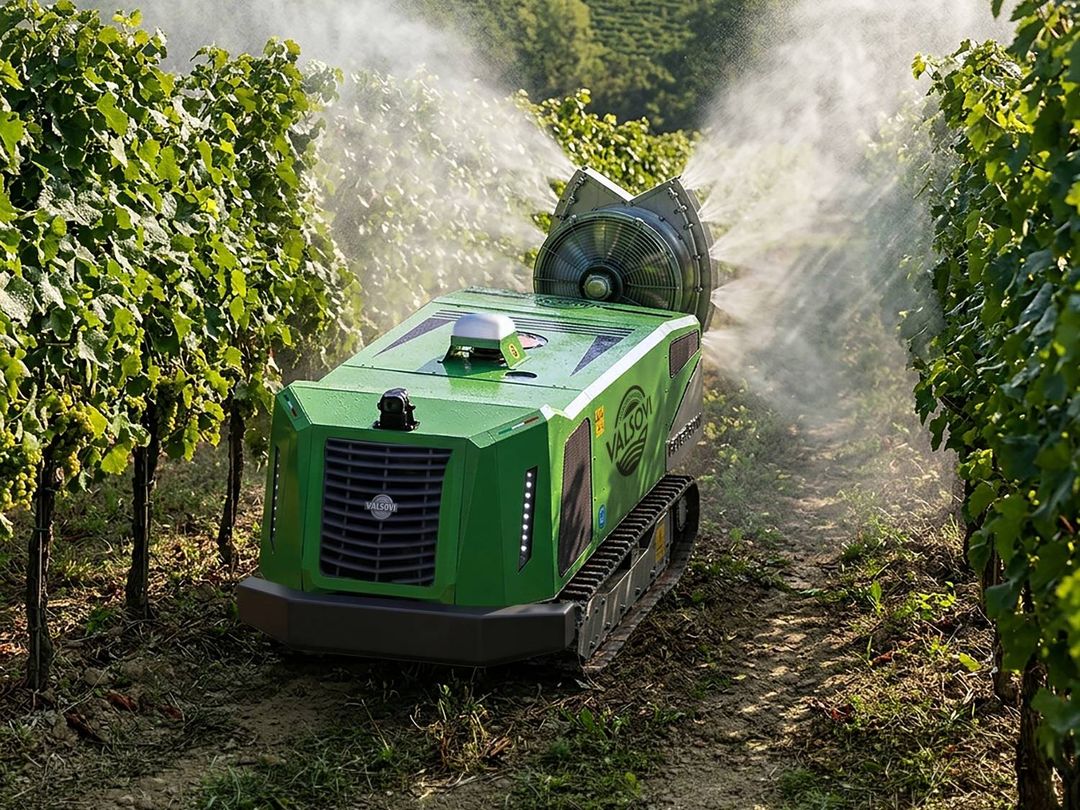
ROVER 500M hybrid agricultural robot by Valsovi in a vineyardValsovi

ROVER 500M by Valsovi is a hybrid agricultural robot designed specifically to work safely on very steep ground and strong slopes. Able to operate autonomously thanks to innesto, it delivers continuous work shifts of up to 18 hours without stopping.

Configurations

GNSS RTK (included)
Lidar (included)
Operating environment

Indoor and outdoor

Technology focus

Combining the two systems ensures operational continuity and precise positioning even in areas with a degraded GNSS signal (e.g. transitions between fields and buildings).

Custom configurations with cameras and/or radar can be made available on request.

Frequently asked questions

How does the system adapt to the specific dynamics of a vehicle?

The software is built on a container architecture with layered parameter management. This “tailor-made” approach ensures very fast calibration and specific tuning on new vehicles, overcoming the limits of rigidly standardised systems and simplifying the release of updates.

What is the impact of physically installing the kit on board?

Minimal. INNESTO makes the most of the machine's existing mechanics with no need to redesign it: the control unit and sensors are installed on board, and the kit is sized to the manufacturer's actual needs.

Does the software of the machine's original ECU need to be modified?

No. INNESTO connects via CANbus as an additional node, without rewriting the machine's native firmware.

Does the OEM have to buy the full sensor suite from the prototype phase?

No. The system is fully modular and is sized, in both functions and components, to the manufacturer's actual needs: you can start from the GNSS, Lidar or GNSS + Lidar configuration that best fits the project.

What is the difference between semi-autonomous and autonomous mode?

In semi-autonomous mode the machine performs the driving functions automatically while an operator supervises the work and keeps control of the vehicle. In autonomous mode the machine completes the tasks assigned through Mission Control without direct intervention, always within virtual fences and with the safety logic active.

Let's talk about your machine

Schedule a technical meeting for a feasibility study, or review the system specifications for an independent assessment.

Download the technical documentation